
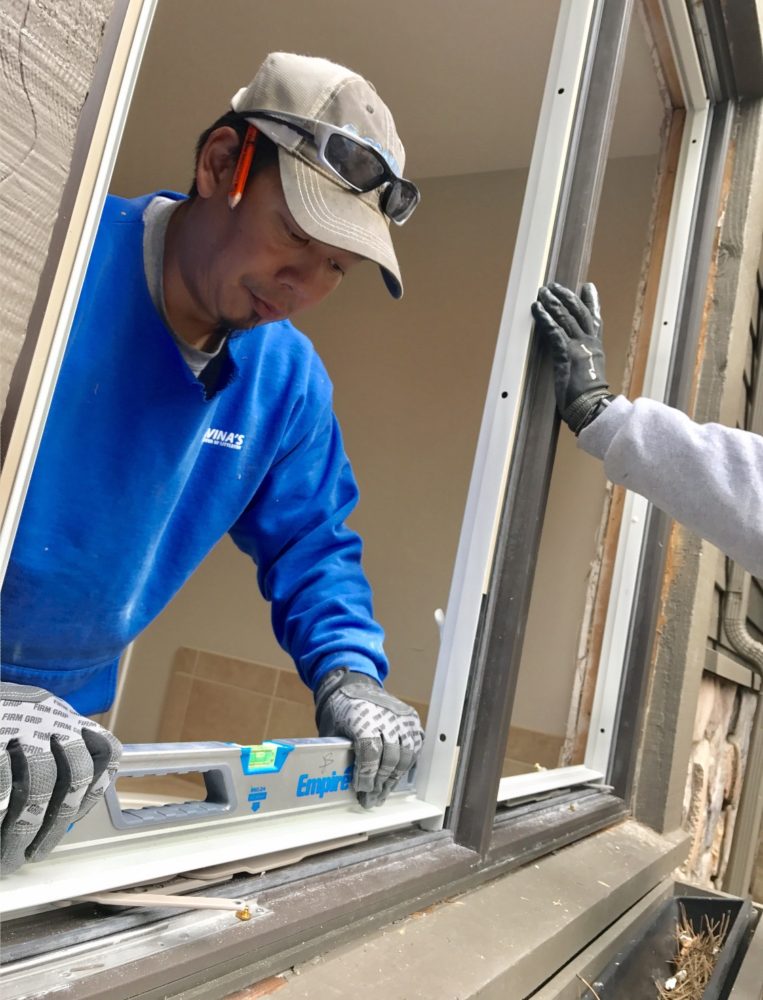
A draft, a sticking sash, or a fogged pane does not always mean that an entire window needs to be replaced. Some problems can be corrected with new weatherstripping, hardware, exterior sealant, or insulated glass. Other conditions—such as deteriorated frames, recurring water intrusion, widespread seal failure, and windows that no longer fit or operate properly—may indicate that replacement is the more practical solution.
Gravina’s Window Center of Littleton® has evaluated and replaced windows in Colorado homes since 1973. In this guide, we explain the warning signs we look for, what may be causing them, and how to determine if your windows may need maintenance, repair, or complete replacement.
Quick Answer: When Should You Replace Your Windows?
You should consider replacing your windows when problems are persistent, affect several openings, or involve deterioration of the frame, sash, insulated glass, or overall fit of the window. Common warning signs include recurring drafts, condensation between panes, difficult operation, water intrusion, damaged frames, broken hardware, and rooms that remain uncomfortable near the glass.
A single failed component may be repairable. Multiple recurring problems, especially in windows of a similar age, are more likely to indicate that your windows are approaching the end of their useful life.
10 Signs Your Windows May Need to Be Replaced
1. You Feel Drafts Around the Window
Air movement around a window can indicate worn weatherstripping, gaps around the frame, a sash that no longer closes tightly, or an installation problem. However, feeling cold near a window does not always mean outside air is entering the home.
Cold glass can cool the air next to it. That cooler air then drops toward the floor and may feel like a draft even when the window is closed. This is why a draft should be investigated rather than diagnosed based on touch alone.
Avoid using a candle or other open flame to test for air leakage. A safer preliminary check is to hold a lightweight tissue near the sash, frame, and meeting rails while the window is closed and locked. Professional testing may involve diagnostic tools that provide a more reliable picture of where air is entering.
If the problem is limited to deteriorated weatherstripping or exterior sealant, maintenance may be enough. If the sash is warped, the frame is distorted, or air is entering around the installed window assembly, a more extensive repair or replacement may be necessary.
2. You See Condensation Between the Glass Panes
Condensation should be evaluated based on where it appears.
- Moisture on the room-side surface: This can be related to indoor humidity, outdoor temperature, ventilation, and the surface temperature of the glass.
- Moisture on the exterior surface: This may occur under certain weather conditions and does not necessarily indicate a failed window.
- Moisture between the panes: This usually indicates that the seal around the insulated glass unit has failed and moisture has entered the space between the panes.
A failed insulated-glass unit does not always require replacement of the entire window. In some cases, the glass can be replaced while the existing frame and sash remain in place. Complete replacement may make more sense when the window also has frame deterioration, operational problems, unavailable parts, or repeated glass failures.
3. The Window Is Difficult to Open, Close, or Lock
A properly functioning window should open, close, and lock without excessive force. Common operational problems include:
- A sash that sticks or binds
- A double-hung window that will not remain open
- A casement window that is difficult to crank
- Locks that no longer align
- A sash that does not close completely
- Loose, damaged, or missing hardware
- A window that has been painted shut
Some of these problems can be corrected with adjustments or replacement hardware. Others may be caused by frame movement, sash distortion, damaged balances, deteriorated materials, or changes in the opening around the window.
Operation is not only a convenience issue. A window that does not close and lock correctly may also have difficulty compressing its weatherstripping and creating a consistent seal.
4. The Frame or Sash Shows Visible Deterioration
Inspect the accessible portions of the frame, sash, sill, trim, and window joints. Warning signs may include:
- Soft or rotting wood
- Cracked or separating joints
- Warped or bowed components
- Corrosion
- Loose glazing
- Recurring peeling or blistering paint
- Discoloration or staining caused by moisture
- Materials that have become brittle or distorted
Peeling paint alone does not prove that the window has failed. Paint can deteriorate because of age, ultraviolet exposure, surface preparation, indoor humidity, or water entering from another part of the home. The underlying material should be examined before deciding that the entire window requires replacement.
When deterioration affects the structural portions of the frame or sash, covering the damage with new caulk or paint will not correct the underlying condition.
5. Water Is Entering Around the Window
Water around a window deserves prompt attention, but the window itself is not always the source. Moisture can enter because of:
- Failed or missing exterior sealant
- Improper flashing
- Problems with the siding or exterior trim
- Roof or gutter conditions above the opening
- Blocked drainage paths
- Damage to the frame, sash, or glass
- Gaps created during the original installation
Signs of a possible water problem include staining, soft drywall, swollen trim, peeling finishes, damaged flooring, or recurring moisture after rain or snow.
Simply applying another layer of caulk may temporarily hide the symptom without identifying how the water is reaching the opening. The window, exterior wall, drainage path, and surrounding materials may all need to be evaluated.
6. The Glass Is Cracked or the Insulated Seal Has Failed
Cracked glass should be addressed for safety, security, and weather protection. Fogging, haze, or visible moisture between panes can indicate failure of the insulated-glass seal.
The appropriate solution is glass replacement or complete window replacement depends on several factors:
- The condition of the frame and sash
- The availability of compatible replacement glass
- The age and design of the window
- Oher components are also failing
- The problem is isolated or occurring throughout the home
Replacing an insulated-glass unit may be reasonable when the rest of the window remains sound and operates correctly. When the frame, hardware, seals, and glass are all deteriorating, replacing one component may not solve the broader problem.
7. Frost or Ice Repeatedly Forms Around the Window
Frost or ice on the room-side surface of a window can be influenced by indoor humidity, outdoor temperature, glass temperature, air leakage, and airflow within the room. It does not automatically prove that the insulated-glass seal has failed.
Recurring frost around the sash, frame, or meeting rails may warrant closer evaluation, particularly when it is accompanied by noticeable air movement, water staining, damaged finishes, or operational problems.
Reducing indoor humidity may help in some situations. In others, the window may have inadequate glass performance, poor sash compression, damaged weatherstripping, or installation gaps. The location of the frost provides important diagnostic information.
8. Outside Noise Has Become More Noticeable
Windows can influence how much exterior sound enters a room, but increased noise does not by itself prove that a window is deteriorating. Sound transmission can be affected by:
- Gaps around the sash or frame
- Glass thickness and configuration
- The tightness of the sash
- The construction of the wall
- The type and frequency of the outside noise
- How the window was installed
If outside noise has become more noticeable at the same time as drafts, loose sashes, or operational problems, air gaps may be contributing to the change.
Replacement windows may improve sound control when the new glass, frame, seals, and installation are appropriate for the opening. However, no standard residential window should automatically be described as soundproof.
9. Rooms Feel Uncomfortable Near the Windows
Some homeowners first recognize a window problem because a room is uncomfortable rather than because they see visible damage. Common concerns include:
- Cold conditions near the glass during winter
- Strong solar heat gain during the afternoon
- Rooms that are difficult to keep at a consistent temperature
- Noticeable differences between rooms on different sides of the home
- Fading of flooring, furniture, or interior finishes
Window orientation matters. South- and west-facing windows may receive substantially different sun exposure than north-facing windows. Trees, roof overhangs, exterior shading, room layout, glass selection, and the home’s heating and cooling system can also affect comfort.
Before recommending replacement, it is important to determine if your home’s discomfort is primarily related to the window, the glass, air leakage, solar exposure, insulation, HVAC performance, or a combination of conditions.
10. Several Windows Are Experiencing Similar Problems
One failed lock, balance, crank, or glass unit may be an isolated repair. When numerous windows of a similar age have fogged glass, deteriorated frames, air leakage, or operational problems, the pattern may indicate that the windows are aging as a system.
Look beyond the number of years the windows have been installed. Their condition can also be influenced by:
- Window material and construction
- Quality of installation
- Sun and weather exposure
- Maintenance history
- Home movement and opening conditions
- Availability of replacement components
A professional evaluation can help determine which windows require attention now, which may be repairable, and if window replacement can be completed in phases.
Does a Draft Mean You Need New Windows?
No. A draft is a symptom, not a complete diagnosis.
Air leakage may be caused by worn weatherstripping, failed sealant, a window that is not fully locked, sash misalignment, frame distortion, or gaps around the installed window. In some cases, what feels like a draft is actually cool air circulating near cold glass.
Before replacing a window, determine where the air movement originates and what parts of the window can be repaired. Replacement becomes more reasonable when leakage is widespread, the window no longer fits the opening correctly, structural materials are deteriorating, or previous repairs have failed to resolve the problem.
Can Old Windows Be Repaired Instead of Replaced?
Age alone does not determine if a window should be replaced. Some older windows can continue to serve the home when their frames remain sound and replacement components are available. Other windows may become impractical to repair because numerous parts are deteriorated or obsolete.
When Window Repair May Make Sense
- The problem is limited to a lock, crank, balance, handle, or other replaceable component.
- Weatherstripping or exterior sealant is the primary concern.
- Only one insulated-glass unit has failed.
- The frame and sash remain structurally sound.
- The window still fits the opening and operates correctly.
- Compatible replacement parts are available.
When Window Replacement May Make More Sense
- The frame or sash is rotting, warped, cracked, or structurally deteriorated.
- Several major components are failing at the same time.
- The window no longer closes, locks, or seals correctly.
- Water intrusion has damaged the window or surrounding opening.
- Replacement parts are no longer available.
- Previous repairs have not corrected the underlying problem.
- Similar problems are appearing across multiple windows.
The goal should not be to replace every older window automatically. It should be to identify the cause of the problem and choose a solution that addresses it.
How Colorado Weather Affects Window Performance
Colorado windows can be exposed to intense sunlight, dry air, rapid temperature changes, wind-driven precipitation, snow, hail, and substantial differences in exposure from one side of a home to another.
Over time, these conditions may affect exterior finishes, sealants, weatherstripping, glazing systems, and window components. South- and west-facing windows often receive more direct sunlight, while windows on exposed elevations may experience more wind and weather.
Colorado weather does not affect every window in the same way. Material, product design, glass selection, installation quality, maintenance, elevation, shading, and architectural exposure all influence performance.
This is one reason a recommendation should be based on the actual home and opening—not only on the age or brand of the existing window.
Should You Replace One Window or All of Them?
You do not necessarily need to replace every window at the same time. Replacing one window or one group of windows may make sense when the problem is isolated to a particular room, elevation, or product type.
A phased replacement plan may also be appropriate when:
- Certain elevations have substantially more weather exposure.
- Some windows are in worse condition than others.
- The project needs to be divided into manageable stages.
- A remodeling project affects only part of the home.
- Matching products, colors, and configurations can be planned in advance.
Replacing a larger group at once may offer advantages when numerous windows are experiencing similar problems, consistent appearance is important, or completing the work together simplifies project planning.
A window consultation should help you establish priorities rather than pressure you into replacing openings that are still performing adequately.
What We Evaluate During a Window Consultation
When Gravina’s Window Center of Littleton® evaluates a replacement-window project, we consider more than the size and age of the existing windows. Depending on the home and the concerns involved, our evaluation may include:
- Frame, sash, sill, and trim condition
- Window operation and locking
- Glass condition and signs of insulated-seal failure
- Visible air- and water-intrusion concerns
- Exterior sealant and surrounding materials
- Sun, wind, rot, and weather exposure
- Room layout, ventilation, and comfort concerns
- The construction and condition of the opening
- Interior and exterior finishing requirements
- Recommending full-frame or another replacement approach is appropriate
- How the new window will be measured, fitted, insulated, sealed, and finished
The replacement product matters, but it is only one part of the completed window project. The condition of the opening and the way the new window is installed can directly affect operation, weather protection, appearance, and long-term serviceability.
When to Have Your Windows Professionally Evaluated
Consider having your windows evaluated when:
- You cannot identify the source of a recurring draft or leak.
- Condensation is appearing between the panes.
- Frames or sashes show visible deterioration.
- Windows no longer open, close, or lock correctly.
- Several windows have developed similar problems.
- Previous repairs have provided only temporary improvement.
- You are deciding between glass replacement, component repair, and full window replacement.
- You want to replace the windows as part of a larger remodeling project.
Photographing the condition and noting when it occurs can make the evaluation more useful. For example, document if moisture appears during rain, snow, extreme cold, high indoor humidity, or strong wind.
Frequently Asked Questions About Window Replacement
How long should residential windows last?
There is no single replacement age that applies to every window. Service life depends on the window material, product design, installation, exposure, maintenance, operation, and availability of replacement components. The window’s condition and performance are more useful than age alone.
Does fogged glass mean the entire window needs to be replaced?
Not always. Fogging between panes generally points to a failed insulated-glass unit. Glass replacement may be possible when the frame and sash remain in good condition. Complete replacement may be more practical when other major components are also deteriorating.
Will caulking fix a leaking window?
It depends on the source of the leak. New exterior sealant may correct an accessible joint that has failed. It will not repair damaged flashing, blocked drainage, deteriorated framing, water entering from above the opening, or gaps concealed behind the exterior materials.
Should windows be replaced before they fail completely?
Planning replacement before a window becomes inoperable or allows significant water damage can give you more time to compare products, installation methods, project timing, and costs. However, a functional older window does not need to be replaced solely because of its age.
Can I replace only the windows with the most sun exposure?
Yes. In some Colorado homes, windows on the south- or west-facing elevations experience different conditions than windows elsewhere. A phased project can prioritize the areas with the greatest deterioration, solar exposure, or comfort concerns while accounting for future product and color matching.
Replacement Windows for Colorado Homes
Gravina’s Window Center of Littleton® has helped Colorado homeowners evaluate and replace their windows since 1973. As Colorado’s oldest authorized Infinity by Marvin® dealer, we look beyond the age of the existing window. We consider the frame, sash, glass, operation, exterior conditions, room comfort, weather exposure, construction of the opening, and installation requirements before recommending a solution.
When replacement is appropriate, choosing the product is only part of the decision. Accurate measurement, preparation of the opening, fit, insulation, sealing, exterior finishing, interior finishing, cleanup, and post-installation service all contribute to the completed project.
The window matters. The install is the difference.
Schedule an in-home window consultation with Gravina’s Window Center of Littleton®.
This guide was originally published on October 3, 2012, as one of the earliest educational articles on the Gravina’s Window Center of Littleton® website. It was substantially reviewed and updated in July 2026 to reflect our current experience evaluating replacement-window projects in Colorado homes.